
Your Custom Text Here
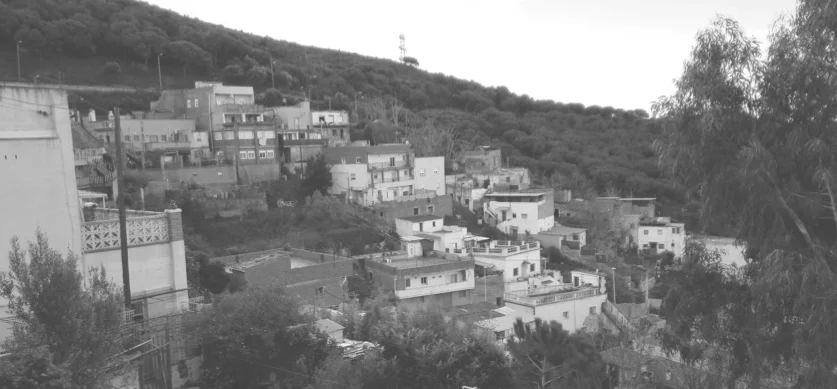
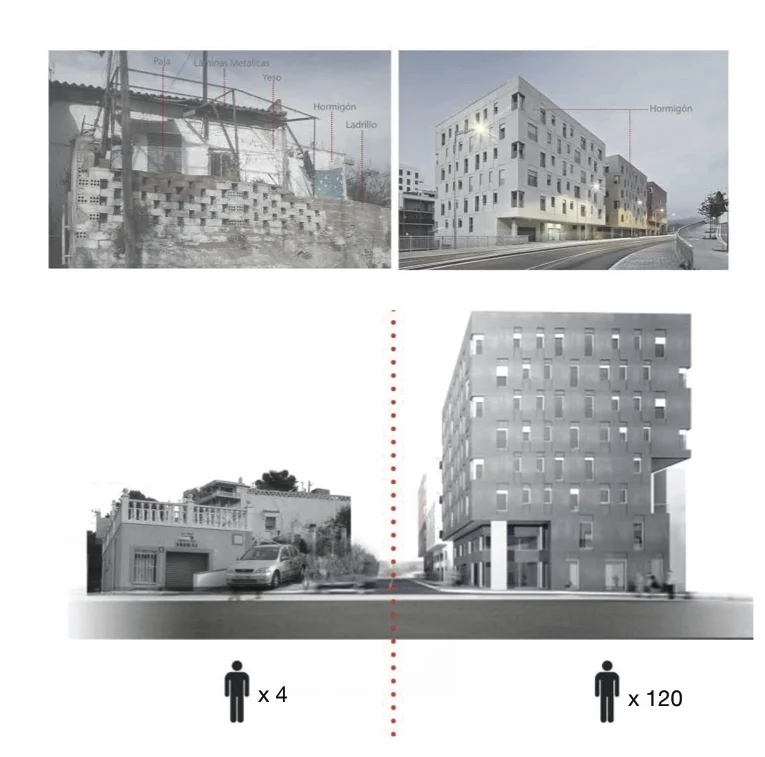
The complex social, economic, cultural and physical realities of many neighborhoods of contemporary cities demand new urban approaches that look beyond the urban context and integrate a holistic reading of the place, which analyze the behavior of individuals.
The response to this complexity comes from recognizing and addressing urban and social deficits, with the aim of providing the neighborhood and its inhabitants urban and civic spaces. The methodology is based on identifying existing social and spatial values in neighborhoods, in order to guide their regeneration using placemaking (socio- spatial working) as the central element of the process.
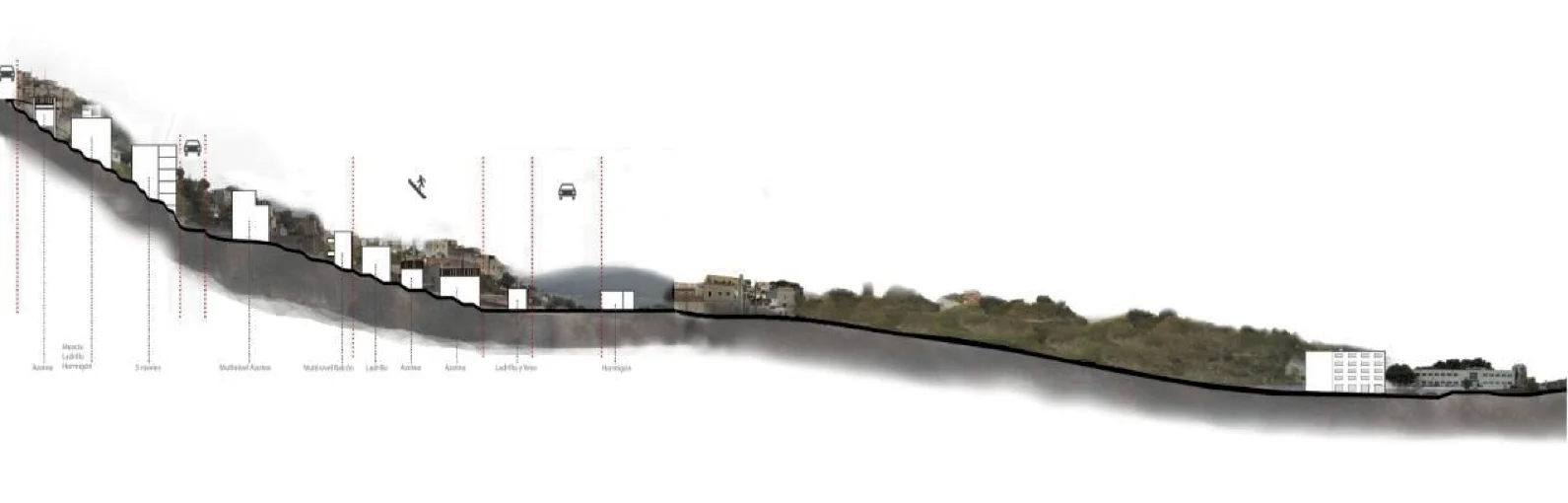
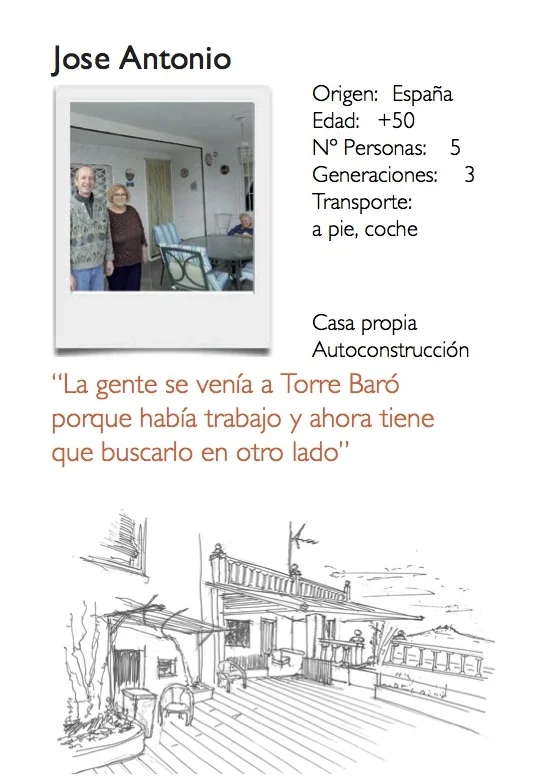
The sociospatial analysis identify the strategic value of existing spaces and cultural resources in order to strengthen local identity and community participation.
The complex social, economic, cultural and physical realities of many neighborhoods of contemporary cities demand new urban approaches that look beyond the urban context and integrate a holistic reading of the place, which analyze the behavior of individuals.
The response to this complexity comes from recognizing and addressing urban and social deficits, with the aim of providing the neighborhood and its inhabitants urban and civic spaces. The methodology is based on identifying existing social and spatial values in neighborhoods, in order to guide their regeneration using placemaking (socio- spatial working) as the central element of the process.
The sociospatial analysis identify the strategic value of existing spaces and cultural resources in order to strengthen local identity and community participation.